
Factors to Consider when Constructing a Deck
From choosing the right materials to ensuring safety and durability, this guide will assist you in making informed decisions about your decking project. A well-constructed deck not only enhances the aesthetic appeal of your home but also significantly increases its functional living space. Understanding the various elements involved in the decking process is essential for achieving a durable and appealing structure. This comprehensive guide provides insights into material selection, design considerations, and budget management while emphasizing safety and weatherproofing measures.
1. Material Selection
1.1 Wood Options
The choice of wood in deck construction plays a crucial role in defining the durability and appearance of the finished product. Popular wood options include cedar, redwood, and pressure-treated lumber due to their natural resistance to decay and insects. Cedar is favored for its attractive appearance and ability to withstand environmental elements, although it requires regular maintenance to maintain its hue and integrity. Redwood, while aesthetically pleasing and naturally rot-resistant, is generally more expensive and can be harder to source depending on your location. Pressure-treated lumber is a cost-effective choice, treated with preservatives to resist rot and pests, making it the most popular choice for many homeowners on a budget.
1.2 Composite Materials
Composite decking materials have gained popularity due to their low-maintenance and long-lasting properties. Made from a blend of wood fibers and recycled plastics, these materials resist rot, warping, and insect damage. The initial cost of composite materials is higher than that of traditional wood, but their longevity and reduced maintenance requirements often justify the investment. Many composite options mimic the appearance of real wood, providing homeowners with the aesthetic appeal without the associated upkeep. Choosing composite materials can be particularly beneficial in climates with extreme weather conditions, as they remain stable and attractive over time.
1.3 Metal and Other Alternatives
In addition to wood and composite materials, metal options like aluminum and steel are available for decking. Aluminum decking is lightweight, exceptionally strong, and highly resistant to rust and weathering, making it an excellent choice for longevity. Steel offers similar durability and strength but can add substantial weight to the structure, requiring robust support. Non-traditional materials such as PVC are also emerging as decking solutions, providing waterproof surfaces with minimal maintenance. Each material offers unique benefits and potential drawbacks, so careful consideration of the environment and expected use is crucial in making the right selection.
1.4 Environmental Impact and Sourcing
When selecting materials, it's important to consider the environmental impact of your choices. Wood sourced from sustainably managed forests is an eco-friendly option, while composite materials often utilize recycled components, reducing waste and demand for virgin resources. To secure the best materials, finding a reliable local deck supply partner is essential for your project. Aluminum and steel manufacturing processes typically have a higher environmental footprint but can be less damaging over their lifecycle due to recyclability and longevity. Consider suppliers who prioritize eco-friendly practices and certifications to ensure minimal environmental harm.
1.5 Cost and Maintenance Considerations
Material selection is closely tied to budget constraints and long-term maintenance requirements. While natural wood tends to be less expensive upfront, the cost of maintenance such as sealing and staining can add up over the years. Composite materials, though initially costly, often save money in the long run due to their minimal upkeep. It's essential to weigh the initial costs against the potential maintenance savings when choosing materials. Your choice of deck supply items will directly impact both short-term expenses and long-term commitments, aiding in selecting a material that aligns with financial and project goals.
2. Design and Layout
2.1 Determining Deck Size
One of the first steps in deck construction is determining the appropriate size based on space availability and usage needs. According to Lawn Love, the typical American deck is 300 – 400 square feet. Factors to consider when deciding on deck size include the number of expected users, activities planned for the space, and the need for privacy or views. Carefully balancing the available outdoor area with planned deck dimensions ensures a space that's both functional and in harmony with the surrounding landscape. Homeowners should consider future needs or potential expansions to accommodate growing families or increased usage.
2.2 Shape and Aesthetics
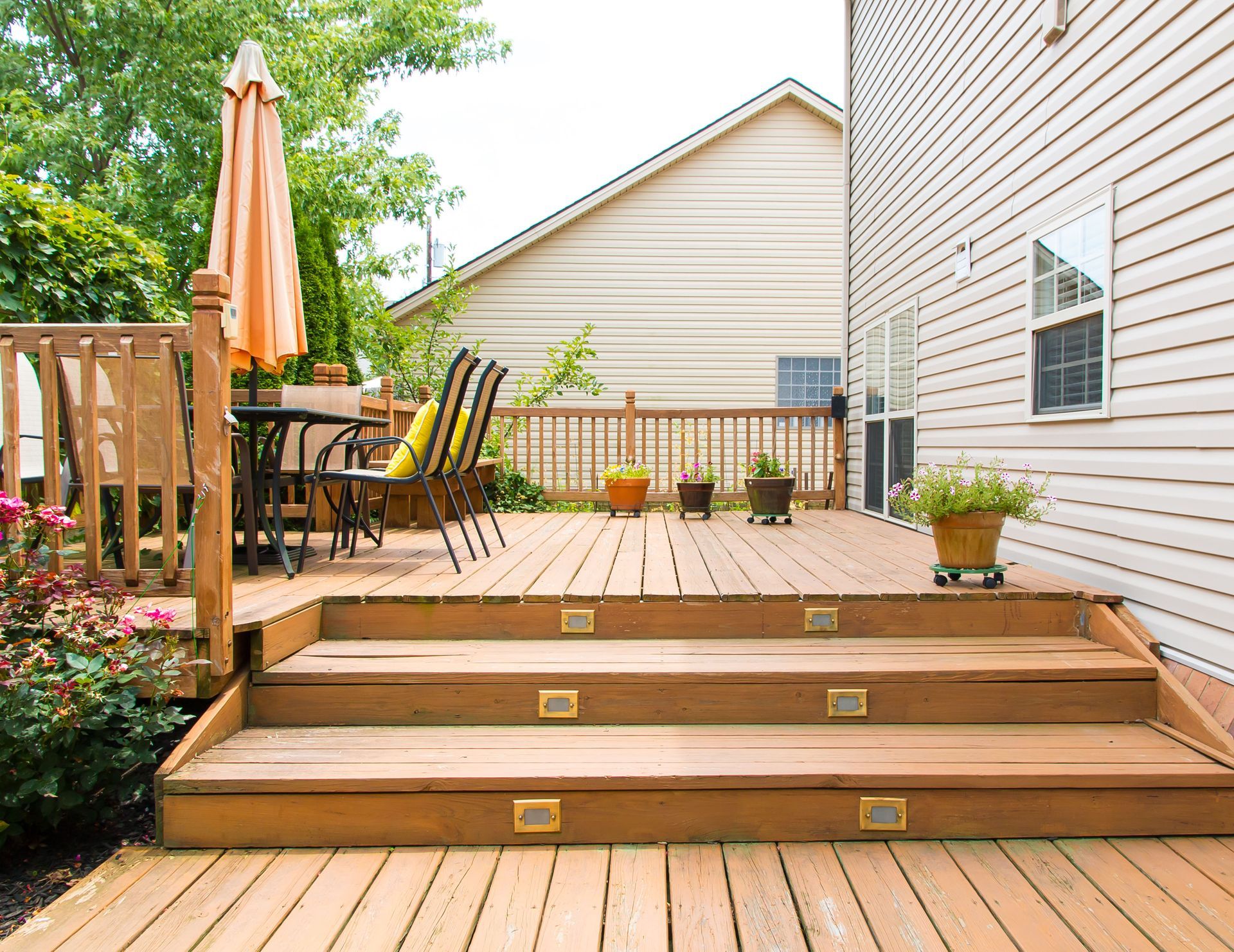
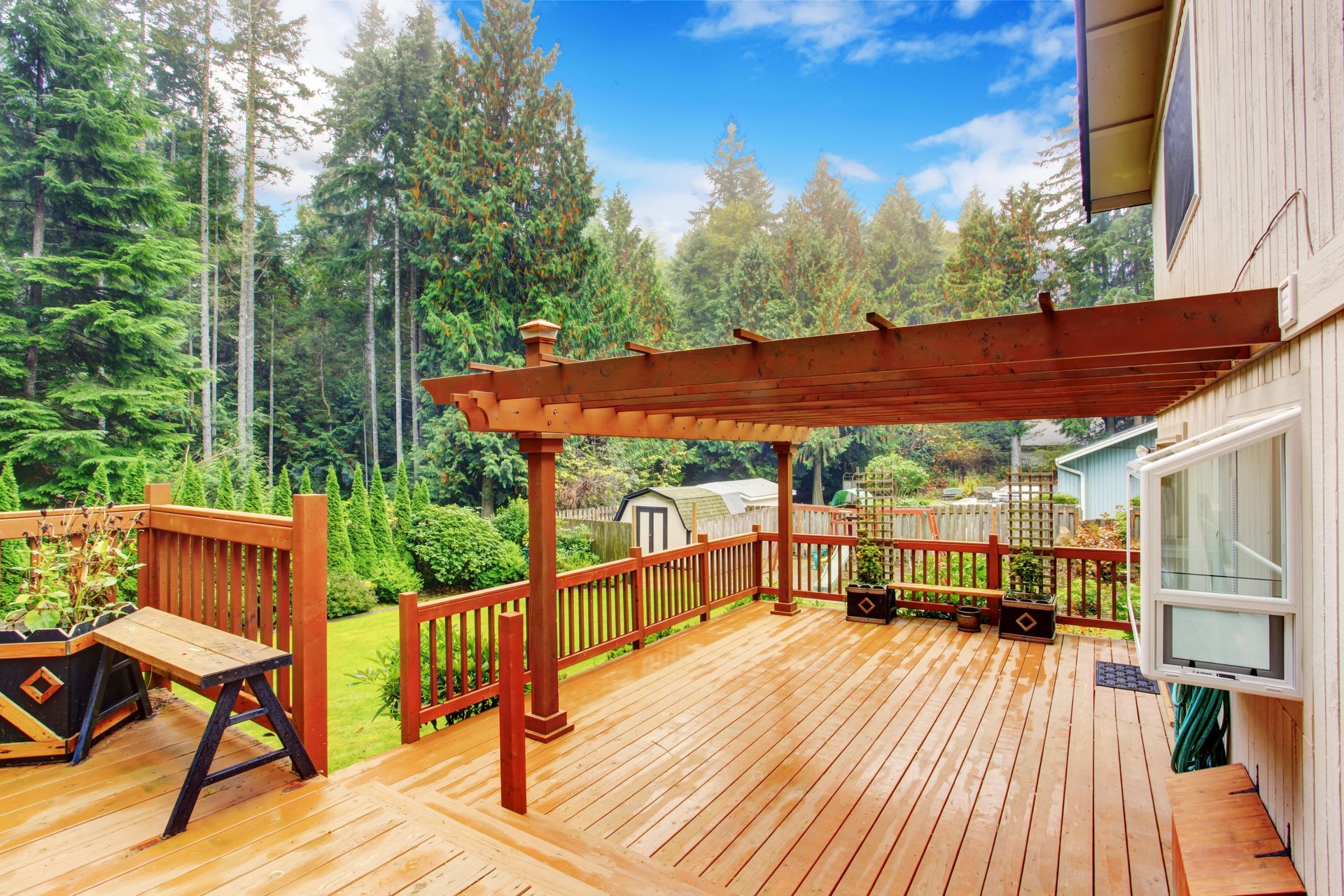
Deck shape and layout largely influence both the flow and visual appeal of the structure. Rectangular shapes are popular for their simplicity and ease of construction, but circular and multi-level designs offer dynamic visual interest and creative solutions for uneven terrain. Integrating curves or varying levels can help delineate different functional areas, such as dining and lounging, adding to the overall usability of the space. Deck aesthetics should complement the existing home architecture, ensuring a harmonious blend with its style and materials. Personal taste, intended use, and creativity all play a role in defining the ideal deck shape, proportionally matching the existing outdoor environment.
2.3 Integrating with Existing Structures
Ensuring that the new deck integrates smoothly with existing home structures enhances both the visual continuity and functional accessibility of the space. Deck placement should consider window and door locations, as well as how the deck will connect to the currently utilized entry points of the home. The deck should align physically and stylistically with the house, accentuating its architectural features. Thoughtful integration includes matching materials or complementary colors and textures, creating a seamless transition that adds to the property’s overall appeal. Moreover, considering how the deck will be situated in relation to existing landscaping or swimming pools can further enhance the harmony of outdoor spaces.
2.4 Traffic Patterns and Accessibility
The layout should facilitate easy movement across the deck, avoiding any congestion or obstructions in commonly used paths. Consider the flow of traffic from entry points to seating, dining, and recreational areas to ensure practicality in design. Clear route mapping and strategic arrangement of fixtures help maintain an open, inviting space while preventing bottlenecks. Incorporating accessibility features is also a crucial factor for decks intended for use by individuals with differing physical abilities. Features like ramps, wide doorways, non-slip surfaces, and thoughtful placement of railings ensure that everyone can safely enjoy the deck area.
3. Foundation and Structural Support
3.1 Soil and Ground Conditions
The foundation’s stability depends greatly on the soil and ground conditions of the construction site. Conducting a thorough site evaluation helps determine the suitability of the ground for supporting deck structures and informs modifications or reinforcements, if needed. Different soil types require diverse foundation approaches, and professional advice can be invaluable in this assessment stage. Not addressing fundamental geotechnical issues can compromise the structural soundness, leading to potential subsidence or uneven deck surfaces. Assessing and preparing the terrain ensures longevity and strength, fostering a safe and stable deck area.
3.2 Footings, Piers, and Framing
The foundation components, such as footings and piers, are essential in distributing the deck load evenly and maintaining integrity under the stress of use and environmental factors. Choosing the correct depth and type of footings, whether concrete or post-supported, ensures the deck remains even and secure. Proper beam and joist placement make the deck’s skeletal framework, ensuring adequate weight distribution and structural integrity. Understanding load-bearing dynamics and spacing is vital for crafting a safe and reliable deck surface capable of enduring heavy usage. This structural frame affects not only the deck’s strength but also its overall appearance, requiring meticulous building practices and attentive carpentry techniques.
Building a beautiful, lasting outdoor structure requires careful planning and the right resources. By balancing material selection, structural integrity, and proper weatherproofing, you can ensure your project remains safe and enjoyable for years to come. Having a reliable deck supply partner makes it much easier to keep your project on schedule and within budget. Ultimately, investing time into proper design and quality materials will pay off, rewarding you with an exceptional outdoor living space that enhances your home’s value and functionality. For more information, contact Luedtke Lumber True Value.
Share On: